Bratot here are all the letters I have found from Teodosij of Skopje
-
Yes, of course.
Thats why I started this thread, be kind and share all info you have.
Leave a comment:
-
You just read a little one
If you like I can follow up some sources and show you where I draw my information.Leave a comment:
-
The Archbishopric of Ohrid in Macedonia reached the level of Patriarchate briefly during the reign of Samuel's Empire, after which it was demoted in rank to an Archbishopric by Basil (II) the Macedonian Emperor of East Rome.
It retained special rights and autonomy, and Basil even selected a Macedonian called Jovan from Debar to be the first Archbishop. Unfortunately, for a period afterwards all subsequent bishops were Greek-speakers, although, this never discouraged the local Macedonians from considering it their mother church. In reality, its degree of freedom could be interpreted as being of 'Patriarch' status as it was virtually independent and nearly always supported by much of the population in the Macedonian region during times of revolt and statehood, some outstanding instances being that of Tsar Samuel, King Marko and Metropolitan Theodosius.
The freedom of the Archbishopric of Ohrid in Macedonia and its willingness to stand behind local rulers, as did the population from the Macedonian region, demonstrates the importance of this institution for us as Macedonians.Leave a comment:
-
Some additional info I found, not directly related to my question thread but clearly underlining the close Vatikan relations.
Metropolitan Theodosius (Teodosij) Gologanov deals with the history of the unlawful abolishment of the Archbishopric of Ohrid in 1767 and demands its restoration in union with the Roman Catholic Church
-------------
Theodosius, the metropolitan of Skopje, to Pope Leo XIII
4th December 1891
To the Holy Father, Pope Leo XIII Rome
I, the undersigned Metropolitan of Skopje, Theodosius, by Gods Mercy head of the Skopje eparchy, am submitting this request both in my name and in the name of the whole Orthodox flock of Macedonia, with which we are begging His Holiness to accept us under the wing of the Roman Catholic Church, after he has restored the ancient Archbishopric of Ohrid, unlawfully abolished by Sutlan Mustapha III in 1767, and put it in canonical unity with the Roman Catholic Church. Our desire springs from the historical right of the Orthodox Macedonian people to be freed from the jurisdiction of foreign Churches - the Bulgarian Exarchate and Constantinople Patriarchate - and be united in its own Orthodox Church, acquiring all the characteristic features of a people who have a right to independent spiritual and cultural life and education.
Your Holiness, please have in mind the specific traits of the Orthodox religion, which the Orthodox people will never renounce; they are: independence as regards faith, the church services and the priests' attire.
I recommend myself to Your prayers and humbly bow to You, Your brother in Jesus Christ, who prays for You,
4th December 1891 Skopje
Theodosius, Metropolitan of SkopjeLast edited by Bratot; 01-05-2009, 03:14 PM.Leave a comment:
-
Tsar Samoil and the Archbishopric of Ohrid in Macedonia
I would like to ask about more information on this subject, is anyone able to add something more on this?
---
Охридска архиепископија или Охридска патријаршија?
Според д-р Петар Поповски, кој многу години се занимава со историјата на Македонската православна црква, дилеми нема: Охридската архиепископија била крената на ниво на патријаршија во 999 година со благослов на тогашниот папа Гргур Петти и така опстојувала сe до 1767 година, кога турскиот султан со декрет иреде го спречил нејзиното самостојно дејствување. Според некои познавачи на работите, фактот што тој чин го направил султанот како иноверен владетел во Македонија, оди во прилог на тезата дека, всушност, Охридската архиепископија никогаш и не била укината. Податоците за подигањето на Охридската архиепископија на ниво на патријаршија, кој во последниот број на †Македонско времееи ги реактуализира Поповски, за Македонската православна црква не се спорни, но таа не располага со релевантни податоци за тој период од постоењето на Црквата на овие простори.
За нас тие се добредојдени, вели митрополитот преспанско-пелагониски г. Петар и додава: †Нам ни се познати податоците од документите за период на Охридската архиепископија, зашто нејзините челници се потпишувале како архиепископи, а не како патријарси. Меѓутоа, доколку постојат пишани документи, тоа ќе биде одлична можност за поширока расправа. Според мои сознанија, патријаршискиот степен Ј бил укинат со распадот на Самуиловата држава во 1018 година, кога Василиј Велики ја деградирал Охридската патријаршија и ја спушта на степен на архиепископија, оставајќи Ј го автокефалниот статус. Така, во тоа време постоеле само две автокефални цркви - Охридската архиепископија и Цариградската патријаршија. За нас е од особено значење податокот дека првиот архиепископ на Охридската архиепископија во тоа време, во периодот од 1018 до 1037 година бил Јован Дебарскиии.
Според сознанијата на д-р Поповски, презентирани во †Македонско времееи, царот Самуил во неколку наврати се обраќал до папата да ја именува Охридската архиепископија како патријаршија. Во 999 година, папата Гргур Петти, кој заради старост не можел да дојде и лично да го донесе светото папско миро, како свој претставник го испратил надбискупот, кој со специјално канонско послание, потврдено со папскиот потпис ја подигнал Охридската архиепископија на ниво на патријаршија. Тогаш, Охридската црква веќе и формално-правно станала патријаршија. Со дипломата, папата Гргур Петти му ја испратил и златната царска круна, а Охридската црква, по Цариградската, станала втора црква на Балканскиот Полуостров со статус на патријаршија, со таа разлика, како што објаснува Поповски, што Цариградската станала патријаршија само по државна линија, а не и според евангелските правила и канони кои обврзувале унапредувањето да го изврши некој повисок духовен авторитет, од црква основана од апостол, што не било случај со неа.Во 999 година во патријаршиската Соборна црква во Охрид, пишува †Македонско времееи, била одржана свечена литургија, на која во присуство на болјарите и на високиот црковен клир, со папско миро Самуил бил крунисан за цар, а архиепископијата Прима Јустинијана била прогласена за патријаршија. Но, за нас е посебно значење делот за територијалните аспирации на тогашната српска и бугарска држава кои како крајна цел го имале намалувањето на влијанието на Охридската црква врз црковниот живот во тие земји, ама и во земјите на Дакија, Малорусија, Украина и Русија. Многу подоцна, отцепувањето на српските епархии од Охрид и потврдувањето на автокефалноста на Српската црква од страна на никејскиот патријарх Емануел, предизвикало остра реакција кај тогашниот поглавар на Охридската црква, Димитрие Хоиматијан, тврди д-р Поповски.
Тој жестоко се спротивставил и од патријархот Емануел побарал веднаш да го повлече своето решение, предупредувајќи го дека извршил антиканонски акт. Патријархот Хоматијан, кој по потекло бил Грк, бил револтиран од овој чин и во договор со Охридскиот патријаршиски синод, преку скопскиот епископ Јован, му испратил протестно писмо на новопроизведениот српски архиепископ Сава, со кое го предупредува дека ќе го отстрани од Црквата ако не се покае. Конкретно, во писмото пишувало дека Охридската патријаршија претставува мајка-црква. Каков бил повратниот одговор не е познато, меѓутоа, во време на српскиот крал Стеван Радослав (1228-1242), Српската црква ги возобновила односите со Охридската патријаршија, бидејќи ја сметала за своја мајка-водителка. Интересен е податокот дека српскиот цар Душан во време на своето владеење не посегнал по автокефалноста на Охридската црква, ниту пак по нејзините права и привилегии зашто ја сметал за продолжение на Јустинијана Прима. Нејзините права и привилегии тој дури и ги потврдил во познатиот Душанов законик, а ниту еден акт на српската црква во тоа време не смеел да биде потпишан од српскиот архиепископ, додека не бил ставен печатот на Охридската архиепископија.
На потег се историчарите, чиј придонес би бил особено важен во периодот кога Соборот на СПЦ се обидува на територијата на Македонија да инсталира своја паралелна црква. Но, податоците кои ги презентира д-р Петар Поповски за нас се важни и заради фактот што првпат се објавува и листа на поглаварите на православната Македонска црква.
Само надополнување:
Во втората половина на X век, за време на владеењето на цар Самоил, врз нивната црковно-образовна активност била основана автокефалната Црква - Охридска Патријархија. По паѓањето на Самуиловото Царство, Охридската Патријархија била сведена на степен на Архиепископија и како таква постоела осум века, сè до 1767 година по Христос кога била укината од страна на Турскиот султан Мустафа III, а нејзините епархии биле присоединети кон Цариградската Патријархија.
After obtaining the Pope's blessing, Samuel promoted the Macedonian Church to the rank of a patriarchate. Ohrid then became the ecclesiastical and czaristic centre of the Macedonian State and grew into a true medieval metropolis.
I'll appreciate your help, thanks.
M.Leave a comment:
-
Bulgaria was also a geographical term at the time, just like Paraistrion.Para+Istrion =Beside Istros(=Danube) river.
Its a Geographical term.
Geographical terms too. Strymon(=Struma) river. Nicopolis town.Leave a comment:
-
Para+Istrion =Beside Istros(=Danube) river.Originally posted by makedonin View Post
Its a Geographical term.
Geographical terms too. Strymon(=Struma) river. Nicopolis town.The Area of Seres was Theme Strymon, where are this Strimonians of yours???
Where are those Nikoponians from Theme Nikopolis???
I didnt claim anything like that.Byzantine Themes were that what they were, Administrative Regions which had nothing to do with Ethnic Groups.
But you stile don't have a reason ...an explanation.
1st Basil the Macedonian(i) was NOT Basil Bulgaroktonos.(ii).Basil was called Macedonian, cause he was from Theme Macedonia, and he was Bulgaroknotos cause Samuil was ruling almost the whole of the Territory of Byzantine Theme Bulgaria.
2nd.Byzantine Theme of Bulgaria was created AFTER the conquest of Samuel's state.
It WASN'T there before.Leave a comment:
-
Bulgarian and Servian or Voulgaroi and Servi are most likely names of the classes which the people belonged to, the Servi were Serfs to the Romeoi(Romans, which were citizens), the Voulgaroi or Vulgars were the common people(ie peasants).Leave a comment:
-
If theme Bulgaria was called so cause of the reason you think it was or you alude, than what about Theme Paistrion?Originally posted by TerraNova View Post
The Modern Bulgarians should be called Paistrians,Macedonians and Thracians, which they are not cause they inhabit the Theritories of these Themes.
The Area of Seres was Theme Strymon, where are this Strimonians of yours???
Where are those Nikoponians from Theme Nikopolis???
In Theme of Bulgaria also the Lerin i.e. Florina Region was included, which you now so proudly pronounce as pure Greek!
And the Theme Tessalonika was where till south Tessaly, where are this Tessalnonians you claim them now Greeks!
Byzantine Themes were that what they were, Administrative Regions which had nothing to do with Ethnic Groups.

Basil was called Macedonian, cause he was from Theme Macedonia, and he was Bulgaroknotos cause Samuil was ruling almost the whole of the Territory of Byzantine Theme Bulgaria.Leave a comment:
-
'He defeated the Byzantine emperor Basil II Bulgaroctonus '
Just so you know Bulgaroctonus translates to Bulgar Slayer , hence the name Basil the Bulgar Slayer not Basil the Macedonian Slayer.
Quoting encyclopedias will get you nowhere and showing maps from 610AD will get you nowhere as well cause i see a place called Thessalonica, is this the city you call Solun today??Leave a comment:
-
Originally posted by Soldier of Macedon View Post
Exactly the point you mentioned, to understand the terms which were applied back than, we shouldn't lead ourself from the present point of view.
And I absolutelly agree with you about establishment od Ohrid Patriarchate by Samoul, anyway the creation of themes:
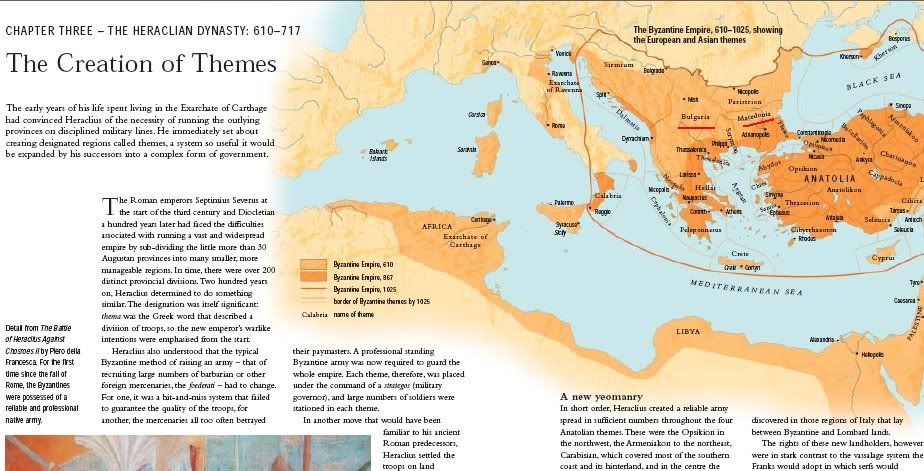
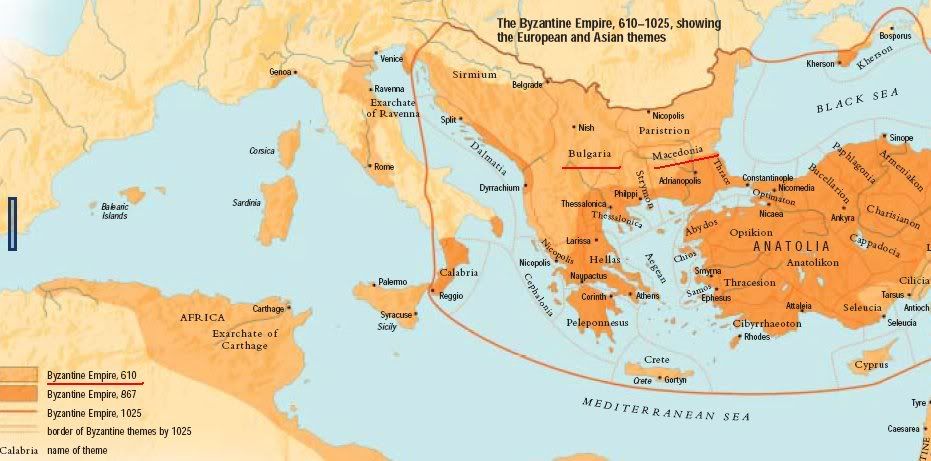
And this is much more earlier than Samoul's reign, we can find all kind of misleading conclusions if we are not aware of the meaning that those terms had back than.Leave a comment:
-
None of these people were commoners or even regular folk, they were educated and/or royalty. And their content is not at all substantial with regard to a collective and common 'Hellenic' identity shared by any sort of masses, of course, please exhibit the relevant texts if you think otherwise.Even there are plenty examples of the use of the term Ellinas,instead of Romios (Ioannis Vatatzes,Choniatis,Anna Comnena,etc)
Yes you do, and no it isn't.i don't denounce the term Romios-it is used until now..meaning the same.
Have you had your medicine? East Roman priests cursed the 'Hellenic' name as heresy and devil worshipping, the East Romans historically despised the names of 'Greek' and 'Hellene'. Do you really need me to show you some more examples of the differences between Romans and Hellenes or would you like to quit while you are still stumbling to the floor?Romios and Ellinas are the same.
I think the relevance is equal of both the 'Roman' and 'Bulgarian' names where it concerns their use by the Macedonians during various stages in history. After the dust settles, the same people are there regardless of the names used due to belonging in a state or adherence to a religious group, the same people, the Macedonians.Do you think Bulgarian and Macedonian are the same too?
There is only one person that has delusions here mate, the same one who claims that Romans and Hellenes are the same.Nice...but doesn't support your delusions
I think each time reference is made to it you receive pains in your head on par with a tumor, which prompts an impulsive reaction on par with a moron.I guess firstGreekConstitution needs a surgery to be removed from your head.
Its like a tumor.Leave a comment:


Leave a comment: